

Why Choose Sport in masayagame
- ⚽
Full Coverage
Follow a wide variety of sports, including football, basketball, and more.
- 📊
Detailed Statistics
Access comprehensive data to help you make informed decisions.
- 🎁
Special Promotions
Earn exclusive bonuses and participate in end-of-year offers.
Company News
- 🏆
Soccer
Watch live matches and enjoy the best betting options.
- 🏀
Basketball
Dive into the on-court action with exclusive stats and analysis.
- 🎾
Tennis
Bet on international tournaments with competitive odds.
Exploring the Exciting World of RicoDJ: A New Era in Gaming
Dive into the captivating and dynamic universe of RicoDJ, a groundbreaking game that blends strategy, creativity, and skill, all under the intriguing theme of MasayaGame.
- 📖
Study team statistics and performance before betting.
- 🕒
Gamble responsibly and set clear limits.
- 💡
Take advantage of seasonal promotions to maximize your earnings.

Discover the Timeless Game of Mahjong

Mahjong: A Timeless Tradition and Modern Phenomenon
Mahjong, a game steeped in history and cultural significance, has captivated players worldwide with its intricate rules and engaging gameplay. Originating in China during the Qing dynasty, this tile-based game has transcended cultural boundaries, capturing the interest of gaming enthusiasts globally. As technology advances, Mahjong finds a new audience through digital platforms like masayagame, breathing new life into this age-old tradition.
The Origins of Mahjong
Mahjong's origins are somewhat shrouded in mystery, with various folk legends attributing its invention to everything from soldiers needing a pastime to idle scholars seeking entertainment. However, it is widely accepted that Mahjong as we know it today began forming in the late 19th century in China, drawing influences from card games and other traditional parlour games. Its emergence coincided with a period of cultural exchange and modernization in Chinese society.
The game quickly gained popularity throughout China and later spread to other parts of East Asia, including Japan, Korea, and Southeast Asia. By the early 20th century, Mahjong fever had spread to the Western world, with the game evolving slightly to suit different regional styles and preferences.
How to Play Mahjong
The game of Mahjong is typically played with four players and involves strategic thinking, skill, and a bit of luck. The aim is to build a complete hand, traditionally consisting of fourteen tiles in combinations of sequences and sets.
The Equipment
The traditional Mahjong set includes 144 tiles that fall into different categories: Suit tiles which include Bamboo, Characters, and Dots; Honor tiles which incorporate Winds and Dragons; and Bonus tiles which feature Flowers and Seasons. The tiles are shuffled and placed into a square 'wall' from which players draw their tiles throughout the game.
Basic Gameplay
Each player starts with thirteen tiles, and the goal is to draw and discard tiles until completing a winning hand of four sets and a pair. A set can be a Pung (three identical tiles), a Chow (a sequence of three consecutive numbers in the same suit), or a Kong (four identical tiles).
Players take turns drawing a tile from the wall and discarding one until one player declares Mahjong by completing their hand. This player wins the round, and the game continues with the next round until a predetermined number of rounds have been played or a player reaches a set score.
Rules and Variations
Mahjong's rules can vary greatly depending on the region or the house rules being used. Some popular variations include:
Hong Kong Mahjong
Hong Kong Mahjong is one of the most commonly played styles worldwide, known for its straightforward scoring system and rules. It retains the basic structure of Mahjong while simplifying some elements to make the game quicker and more accessible.
Japanese Mahjong (Riichi Mahjong)
This version introduces unique elements such as the Riichi declaration and Dora tiles to add another layer of strategy. It is characterized by its intricate scoring system that rewards players for risk-taking and strategic plays.
Mahjong in the Digital Age
As technology evolves, Mahjong enthusiasts now have the opportunity to engage with the game online through platforms like masayagame. This digital transformation has made the game more accessible to a global audience, allowing players to enjoy Mahjong's rich gameplay from the comfort of their homes. Online Mahjong offers various adaptations and styles, catering to both traditionalists and those seeking new challenges. With interactive tutorials and AI opponents, digital platforms are perfect for beginners and experienced players alike.
Masayagame is particularly notable for its vibrant community, where players can compete, share strategies, and celebrate the game's cultural heritage. The integration of leaderboards and online tournaments provides a competitive atmosphere that many players find thrilling.
Current Trends in Mahjong
Mahjong's resurgence in popularity can be attributed to several factors, including increased interest in East Asian culture and the nostalgia associated with classic games. Recent years have seen Mahjong being embraced by younger generations, who appreciate its blend of strategy, chance, and cultural storytelling.
Moreover, Mahjong sets featuring modern designs and themes have been created to attract a broader audience. From artistic tiles that tell stories to themed sets based on pop culture, these innovations maintain the game's allure while adapting to contemporary tastes.
Additionally, Mahjong tournaments have gained international attention, showcasing players' skills on the global stage. Organizations continue to promote Mahjong as a competitive sport, highlighting its complexity and the level of skill required to master it.
Company News
-

Explore the captivating universe of GophersWar, an engaging strategy game that blends immersive gameplay with current events, offering players an unparalleled experience in the world of masayagames.
-

Discover the thrilling game BuffaloWin, its engaging gameplay, and the innovative rules that make it a standout in the world of masayagame.
-

Dive into the captivating universe of WildOverlordsBonusBuy, a thrilling game crafted by masayagame, exploring its features and rules.
-
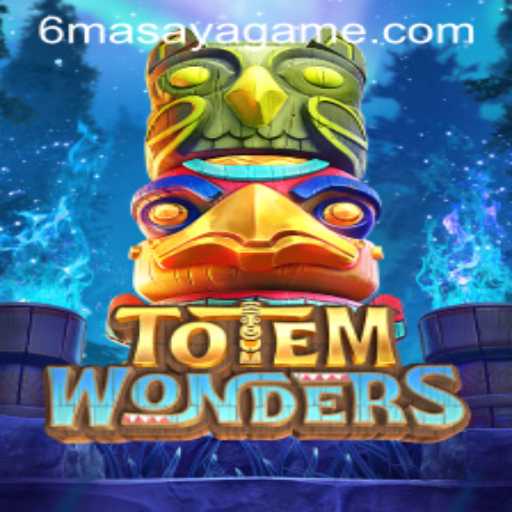
Discover the captivating world of TotemWonders, a unique game by MasayaGame that combines strategy, adventure, and storytelling. Explore its rules, gameplay, and current relevance.
-

Dive into the captivating universe of PlushieFrenzy, a game that blends fun, strategy, and creativity. Discover its rules, features, and the current buzz surrounding this whimsical adventure.
-

Dive into the exhilarating universe of BeachFun, the latest sensation from Masayagame Studios. This article explores the gameplay, rules, and unique features that make BeachFun a must-play for beach lovers and gamers alike.
-
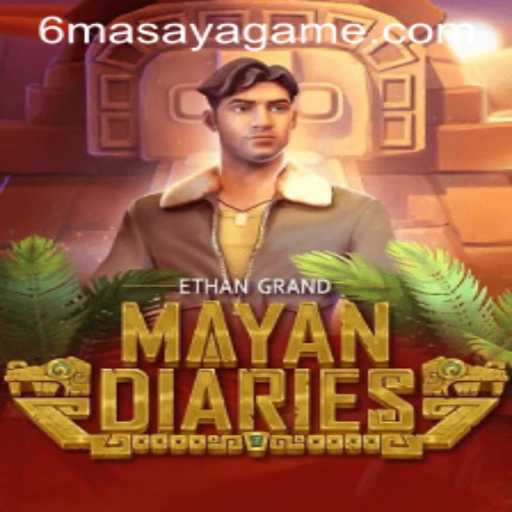
Dive into the world of MayanDiaries, a captivating game intertwining ancient Mayan culture with modern gaming dynamics. Explore detailed game description, rules, and its fascinating introduction.
-
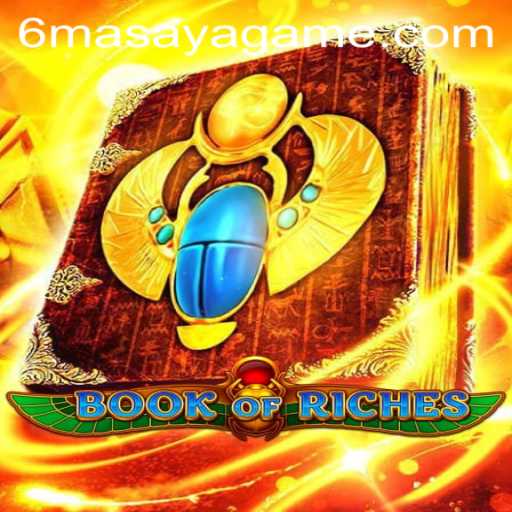
Dive into the enchanting universe of 'Book of Riches,' a masaya game that combines captivating gameplay with the thrill of discovery. Here's everything you need to know about this intriguing game, from its rules to its narrative.


